 My overview



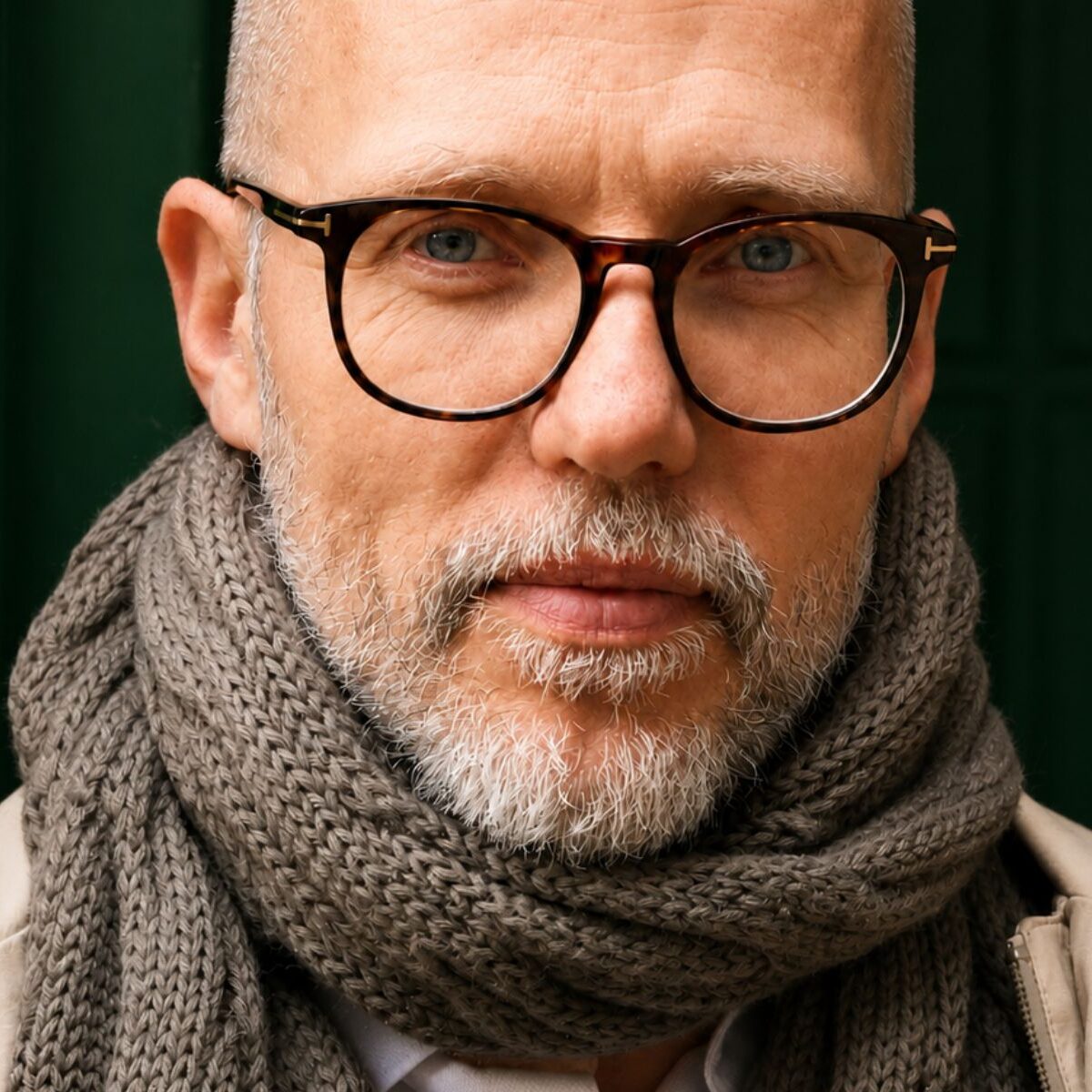
Martin Vesterby is a medical doctor and PhD with more than 20 years of experience at the intersection of health, innovation and leadership. Throughout his career, he has focused on how new ideas can be turned into solutions that create value for society. It is precisely these kinds of solutions he encounters as Chair of the Panel Committee for Innoexplorer—and he remains humble every time he meets people who dedicate their time to making other people’s lives better.
– Innoexplorer offers a unique opportunity to gain insight into research and ideas before the rest of the world necessarily knows what is on the way.
According to Martin Vesterby, this is one of the reasons he accepted the role of Chair of the Panel Committee for Innoexplorer at the turn of the year. Here, he meets applicants who pitch their research-based entrepreneurial idea to the panel, focusing on how the project can develop from research into business. Together with the panel’s other members, he assesses which projects have the greatest potential to become sustainable businesses.
– I often see how Innoexplorer makes a difference in the Danish research and innovation system. I see it in researchers who have received an investment and have since moved their work significantly forward. And I see it when solutions from the programme begin to appear out in the world, he says about the programme’s ability to bring research closer to real-world application.
Between research and practice
Martin Vesterby’s professional starting point is clinical medicine, but already during his medical studies he founded his first company. This marked the beginning of a career in which his interest in research, innovation and entrepreneurship gradually came to play a greater role.
Both his experience as an entrepreneur and his work as a doctor have given him an understanding of the driving force that leads many researchers and entrepreneurs to try to turn knowledge into concrete solutions.
– I work in life science and primarily within the health domain, and here people are truly passionate about making a difference for someone who has an illness or a challenge. I feel humble every time I see someone dedicating so much of their time to trying to make other people’s lives better, he says.
Spotting potential
As Chair of the Panel Committee for Innoexplorer, Martin Vesterby must ensure a thorough and consistent assessment of applications to Innoexplorer. This includes, among other things, clear criteria, shared guidelines and a sound process within the committee. At the same time, he helps assess which ideas have the greatest potential to create value for society.
For him, a thorough assessment is not only about finding the strongest applications on paper. It is also about seeing whether ideas with great potential can be taken further, even if there are still uncertainties.
– When there are indications that an idea can make a major difference in society, but also has some shortcomings or uncertainties, I try to assess whether those shortcomings can be addressed, and whether we can therefore take a slightly greater risk, he says.
For Martin Vesterby, the assessment work is also about broadening the perspective on which disciplines can contribute to solutions with societal value.
– I would like to help create more space for fields that may not typically have oriented themselves towards Innoexplorer—for example, the social sciences or the arts. For me, there is great potential in linking the qualitative and the quantitative if we are to create solutions that improve society, he says.
Openness and transparency
According to Martin Vesterby, behind the strongest Innoexplorer projects there is not only a good idea, but also a clear understanding of the need the solution is meant to address.
– When I read an application and find that there is a genuine need that can be validated, I take note. If I also meet a team that is agile and not locked into the idea that their solution is necessarily the only right one, it stands out strongly in my assessment, he says.
His best advice to the programme’s applicants is therefore not to try to appear flawless, but to be clear about where the project stands and what still needs to be investigated.
– We place great emphasis on being transparent about the things you do not know. This also applies when you pitch. You should be able to share openly and answer the questions we ask—even if there are challenges that need to be worked on, he says.
About Martin Vesterby
- Founder of MedData
- Head of Project Jutlandia, DTI
- Co-founder of Stauning Whisky
- Trained as a medical doctor and PhD in Telemedicine and Innovation
- Chair of the Panel Committee for Innoexplorer
- Deputy Chair of the Defence Professional Panel Committee
- Member of the Prize Committee for the Into Innovation Award 2026