 My overview




Travellers’ diarrhea is the world’s most common travel-related infection and affects millions of people every year. The disease is costly for both travellers and society in terms of lost holiday days, hospital admissions and treatment. Yet, there is currently no recommended, effective prevention.
A new Danish research project is now set to change that.
A team of microbiologists from the University of Copenhagen, together with Statens Serum Institut and the biotech company SNIPR Biome, has received an investment of DKK 12.2 million from Innovation Fund Denmark for the EntroGuard project, which over the next four years will develop a new, natural preventive agent against travellers’ diarrhea.
The goal is ambitious: to be able to combat more than 90% of the bacteria that typically cause diarrhea in travellers.
“Travellers’ diarrhea is a massive global problem, but it is also an area where there has been virtually no innovation for decades. With EntroGuard, we have the opportunity to develop the first truly effective prevention,” says project lead and Professor of Microbiology at the Department of Plant and Environmental Sciences at the University of Copenhagen, Lars Hestbjerg Hansen.
Bacteriophages: nature’s own bacteria killers
At the core of EntroGuard is a new biological method based on bacteriophages—naturally occurring viruses that exclusively attack bacteria.
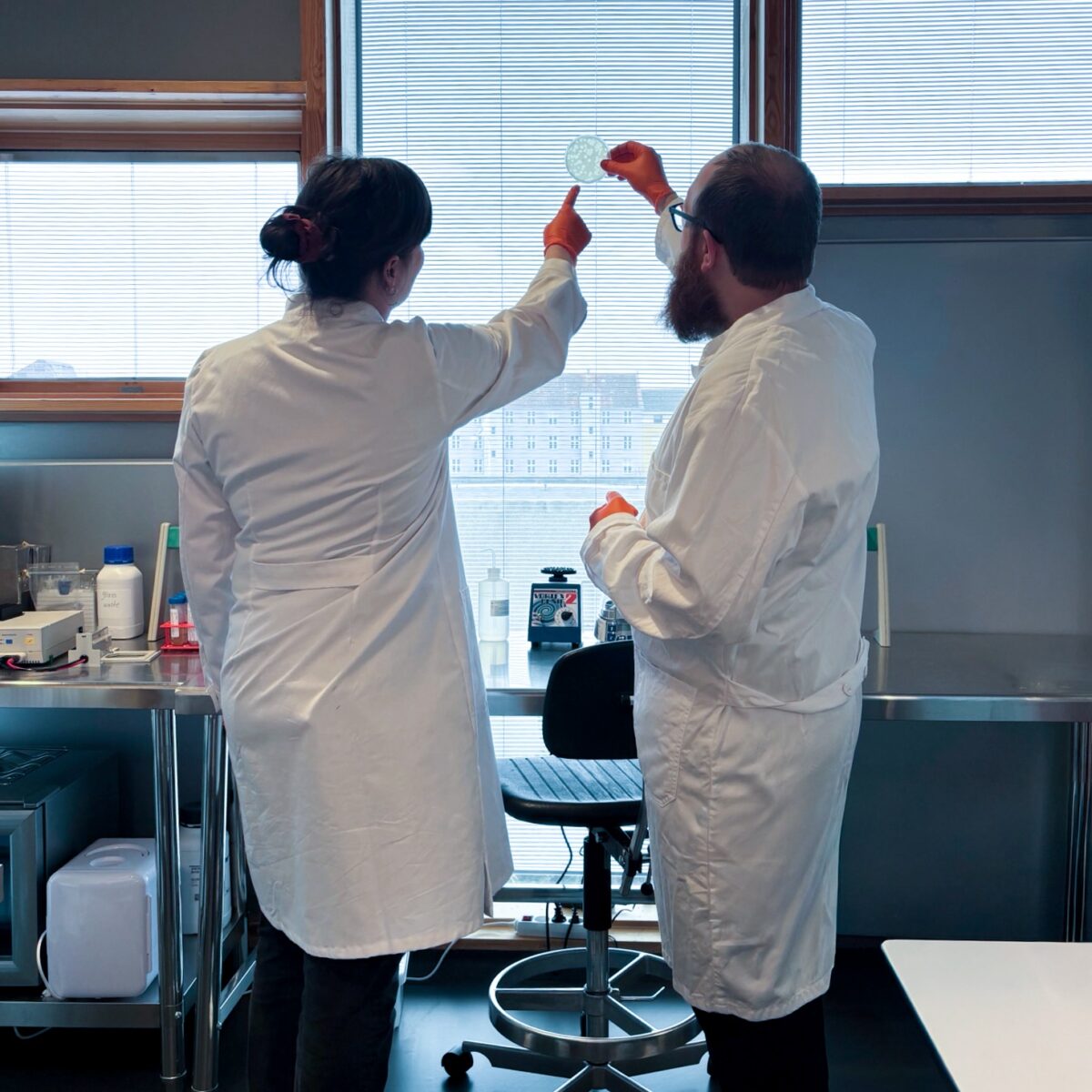
The researchers are developing an enhanced phage cocktail consisting of around 40 carefully selected and safe bacteriophages. The cocktail is combined with probiotic lactic acid bacteria in a capsule and is designed to specifically neutralise the bacteria that most often cause travellers’ diarrhea, including E. coli, Salmonella, Campylobacter and Shigella.
The method is inspired by nature’s own mechanisms for regulating bacteria in the environment.
“Bacteriophages are found wherever there are bacteria. Among other places, we have found many of them in wastewater and other environments where disease-causing bacteria already live. It is nature’s own way of keeping bacteria in balance—and we are now translating that strategy into a product that can help people,” says Professor Lars Hestbjerg Hansen.
Preventing antibiotic resistance
In addition to the potential to prevent millions of cases of illness, EntroGuard has an important additional benefit: the product can serve as an alternative to antibiotics and thereby help curb the global spread of antibiotic resistance.
“By preventing infections before they occur, we reduce the need for antibiotics. That makes EntroGuard interesting—not only for travellers, but also from a broader global health perspective,” says Lars Hestbjerg Hansen.
The project brings together researchers from the University of Copenhagen, Statens Serum Institut and SNIPR Biome, combining expertise in microbiology, disease surveillance and the development of bacteriophage-based products.
The aim is a safe, natural and effective preventive solution that can improve travellers’ everyday lives—and at the same time contribute to addressing a growing global health challenge.
Facts
- Innovation Fund Denmark investment: DKK 12.2 million
- Total budget: DKK 16.4 million
- Duration: 4 years (2026–2030)
- Official title: EntroGuard – Developing the first efficient bacteriophage product against enteropathogenic bacteria causing travelers’ diarrhea and other infections
About the partners
The EMG Group, University of Copenhagen
Environmental Microbial Genomics, led by Professor Lars Hansen, is an internationally recognised research group with many years of experience in bacteriophages—from characterisation and genome sequencing to preservation. The group has a biobank of more than 800 well-characterised bacteriophages, many of them active against human pathogenic bacteria, and has developed effective high-throughput methods for isolating new bacteriophages.
SNIPR Biome
SNIPR is a Danish biotech company in the clinical development phase, paving the way for CRISPR medicines by precisely targeting bacteria or genetically modifying bacterial cells. The company was the first to administer oral CRISPR therapy to humans. SNIPR001 is now being tested in a Phase 1b study at eight US cancer centres, with support from CARB-X, and the technology is also being used in collaborations with several international organisations.
Statens Serum Institut
The Section for Foodborne Infections at Statens Serum Institut monitors intestinal infections that typically spread via food and water. The team analyses bacteria from patients and therefore has in-depth knowledge of which bacteria cause illness in Denmark and in connection with travel abroad. The section provides both its expert knowledge and a unique collection of previously analysed bacteria to the project.