 My overview




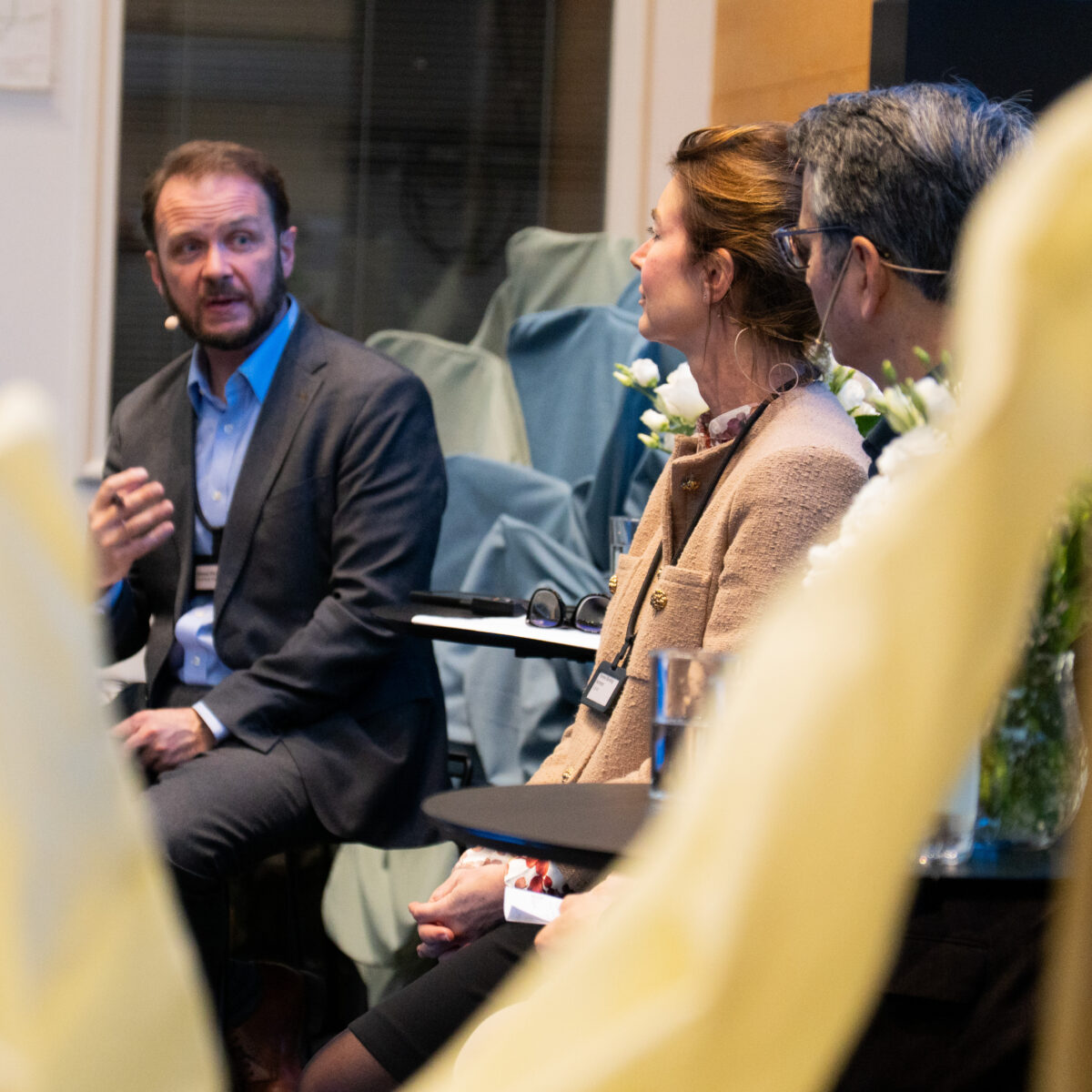
The programme includes representatives from the European Commission, the OECD and the European Innovation Council, among others.
Mission-oriented innovation has gained traction as a new approach to tackling complex societal challenges—from climate and energy to health and wellbeing. The approach is built on broad partnerships in which universities, companies, public authorities and civil society work purposefully together on solutions with real societal impact.
Although many countries in Europe have embraced the concept, only a few have so far put the mission approach into practice. Through Innovation Fund Denmark’s mission programme and Aalborg University’s mission work, Denmark has gained hands-on experience in translating mission-driven principles into strategic research and innovation.
These are precisely the experiences that Innovation Fund Denmark and Aalborg University are now bringing into a European context as they convene key stakeholders in Copenhagen on 24 November. Participants include representatives from the European Commission, the OECD, the European Innovation Council and Topsoe.
Long-term investment secures the next phase
The conference takes place shortly after the government decided to allocate DKK 1.2 billion over the next four years to continue the green missions under Innovation Fund Denmark.
– Europe is facing a number of major societal challenges, and we therefore need to develop new tools and forms of collaboration to stay at the forefront of innovative solutions. In that context, Denmark can be seen as a real-world testbed for how mission-driven approaches can be turned into reality—and, hopefully, deliver better solutions than individual projects could. With the government’s new long-term investment agreement for the missions, we have the opportunity to build on the learning we have developed and take the next steps towards real societal impact—specifically CO2 reductions here, says Cecilie Brøkner, CEO of Innovation Fund Denmark.
She points out that Innovation Fund Denmark has both gained valuable experience and identified challenges through its work with the missions in recent years.
– The experience has, among other things, changed the way the fund measures results, with traditional metrics such as publications and PhD appointments replaced by a full focus on actual climate impact—especially CO₂ reductions. At the same time, the experience shows that the mission-oriented approach comes with high start-up costs. It requires significant time, coordination and investment before the foundation is in place and results can begin to emerge. It also requires flexibility and fewer administrative barriers if they are truly to realise their transformative potential, says Cecilie Brøkner.
New role and new responsibility for universities
Universities play a central role in realising the potential of the mission approach, Aalborg University, co-organiser of the conference, emphasises.
– Mission-driven innovation is not just a political slogan, but a necessary paradigm shift in how we organise research, innovation and change in society. It gives universities a new role and a new responsibility, says Per Michael Johansen, Rector of Aalborg University, and continues:
– Aalborg University chose the mission approach as a strategic framework with the ambition of showing that universities can take greater societal responsibility by making research useful for shared societal goals—without compromising academic freedom or the quality of research, says Per Michael Johansen.
Facts
- Title: International Mission Conference – Mission-Oriented Innovation Policy: What Role in Europe’s Research and Innovation Agenda?
- Time and place: 24 November 2025, 11:30–16:00, Aalborg University, AC Meyers Vænge 15, København SV
- Organisers: Innovation Fund Denmark and Aalborg University
- Participants: Approx. 125 politicians, researchers and decision-makers from across Europe
- Programme: see the full programme here
About Innovation Fund Denmark
Innovation Fund Denmark invests in entrepreneurs, research and technological development that create growth, jobs and solutions to major societal challenges—among other things through four green missions that contribute to Denmark’s climate targets.
About Aalborg University
Aalborg University is an international research university known for problem-based learning and close partnerships with industry and public authorities. AAU actively works with mission-oriented research and innovation in energy, wellbeing and health.