 My overview




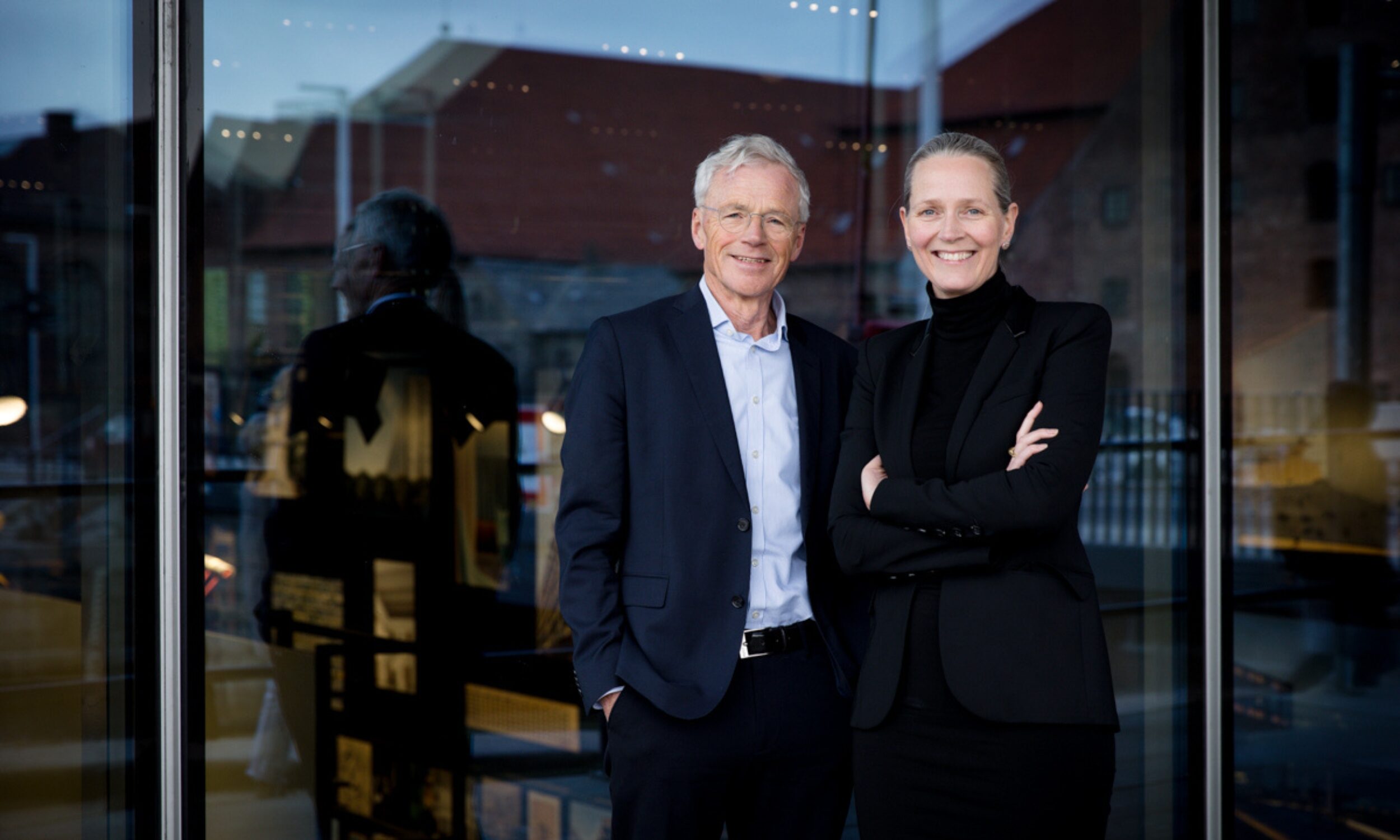
A new national analysis provides a consolidated overview of competitive research funding in Denmark. For Innovation Fund Denmark, the analysis is a valuable new contribution to the continued development of the Fund’s instruments and to strengthening the part of its role that bridges research, business and society.
The Danish Centre for Studies in Research and Research Policy at Aarhus University (CFA) has produced a new analysis, The Research Landscape in Denmark, which maps competitive research funding in Denmark. For the first time, it links grant data with a mapping of the researcher population, thereby providing a more nuanced picture of how research funding is distributed across research fields, grant types and foundations.
The analysis was carried out by independent researchers from CFA with funding from ten public and private Danish research-funding foundations, including Innovation Fund Denmark. It covers research grants from 2018 to 2024 and more than 18,000 grants, totalling just over DKK 83 billion.
“The analysis gives us a shared and far more nuanced picture of the Danish research landscape than we have had before. For Innovation Fund Denmark, it is important that the development of our strategy and instruments is based on a solid knowledge base. When we know more about how research funding is distributed and how the research landscape is evolving, we also gain a better basis for developing those of our instruments that best bridge research, business and society. It therefore contributes to enabling us to pursue our ambition of creating the greatest possible impact,” says Anders Eldrup, Chair of Innovation Fund Denmark.
The analysis shows a clear profile in Innovation Fund Denmark’s research grants
In the analysis’s overview of research grants, Innovation Fund Denmark is represented across all six main scientific fields, but with a primary emphasis on engineering and technical sciences. Here, Innovation Fund Denmark has the highest weighted number of grants and the second-highest weighted total grant amount among the included foundations—surpassed only by the Novo Nordisk Foundation.
“When you zoom in further on Innovation Fund Denmark, the analysis confirms the picture of a foundation with a distinct profile in technological and application-oriented research. This reflects the Fund’s mandate and the research and innovation themes that have been politically prioritised in recent years,” says Cecilie Brøkner, CEO of Innovation Fund Denmark, adding:
“At the same time, the analysis prompts us to take a closer look at how different disciplines interact. Many of the major societal challenges require solutions where technological advances go hand in hand with insights from the humanities and social sciences. It is therefore relevant to continuously monitor how the different research fields are included in, and interact within, overall research funding.”
Earmarking is deliberate—but the degree of flexibility should be considered
The analysis also points out that many research grants in Denmark are awarded through relatively few grant formats, and in a survey of researchers, 75% say that the existing formats are at least moderately restrictive for their research.
For Innovation Fund Denmark, this is an important point of attention. At the same time, it is essential that requirements such as business collaboration, milestones and mission orientation in the Fund’s instruments are deliberate levers intended to strengthen the application of knowledge.
“The analysis gives reason to consider whether the existing grant formats and funding instruments, taken as a whole, provide the right flexibility and diversity. The analysis does not provide an answer to that, but it gives us a basis for further dialogue—both internally at Innovation Fund Denmark and across the Danish research and innovation system,” says Anders Eldrup.
One third of the total grant amount is not included in the analysis
An important point is that the analysis covers only competitive research grants, which means that a significant part of Innovation Fund Denmark’s overall activities is not included.
Around one third of Innovation Fund Denmark’s total investment amount goes to innovation- and business-oriented activities that fall outside the scope of the analysis. The analysis therefore paints a picture of the Fund’s research funding, but not of its overall investments in innovation, entrepreneurship and development.
Facts about the analysis:
- Covers competitive research grants in the period 2018–2024
- Based on more than 18,000 research grants with a total value of just over DKK 83 billion
- Prepared independently by the Danish Centre for Studies in Research and Research Policy at Aarhus University
- Funded by Independent Research Fund Denmark, the Danish National Research Foundation, Innovation Fund Denmark, the Novo Nordisk Foundation, the Lundbeck Foundation, the Carlsberg Foundation, the Villum Foundation, VELUX FONDEN, the Augustinus Foundation and the LEO Foundation.
- Links grant data with a mapping of the researcher population.
- Covers research grants only. Innovation and product development funding targeted at companies is not included