 My overview



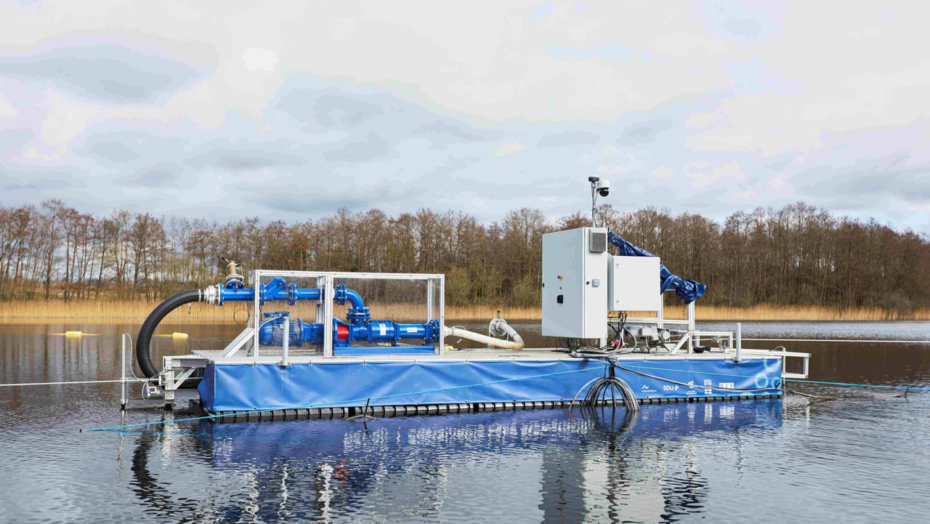
From lakebed to farmland: New Danish technology aims to restore polluted lakes and recycle phosphorus
A new project will develop a new generation of gentle sediment cleaning for lake restoration and demonstrate the technology in three Danish lakes.
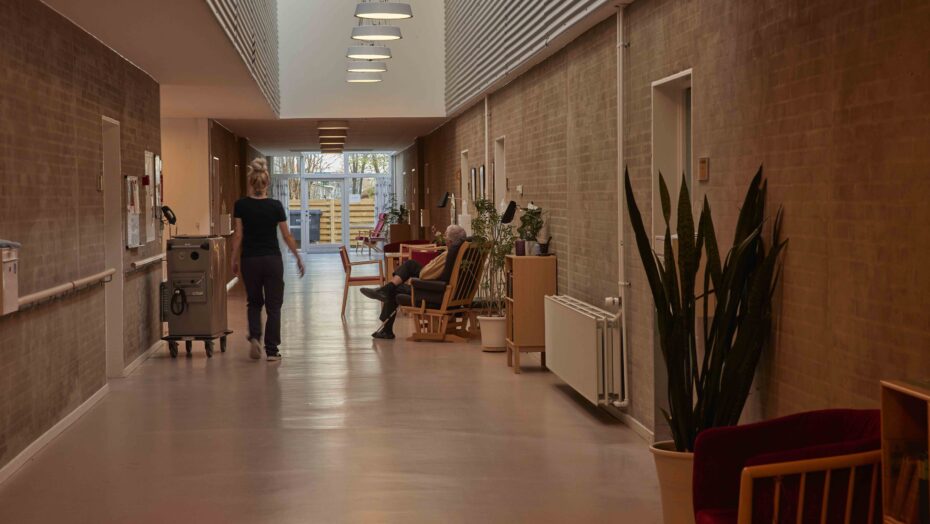
Circadian lighting beneficial in the healthcare sector
Many elderly people and patients spend most of their day indoors. That's why Chromaviso has developed circadian lighting that brings the rhythm of nature into the living rooms of nursing homes and hospitals.

Danish space project to strengthen Europe’s access to solar cells for small satellites
With support from Innovation Fund Denmark, a new Danish-led space project will develop a much cheaper European solution for powering small satellites.
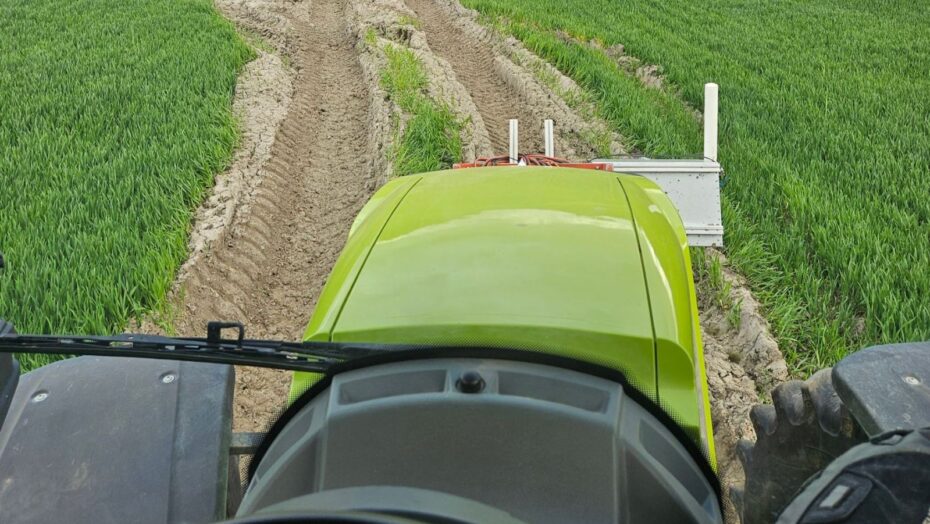
New digital “all-seeing eye” on the tractor to cut agriculture’s herbicide use by at least 40%
A new research and innovation project will give the tractor an all-seeing eye. Using cameras and artificial intelligence, it will ensure that farmers spray only where needed, and with the necessary quantities and products.
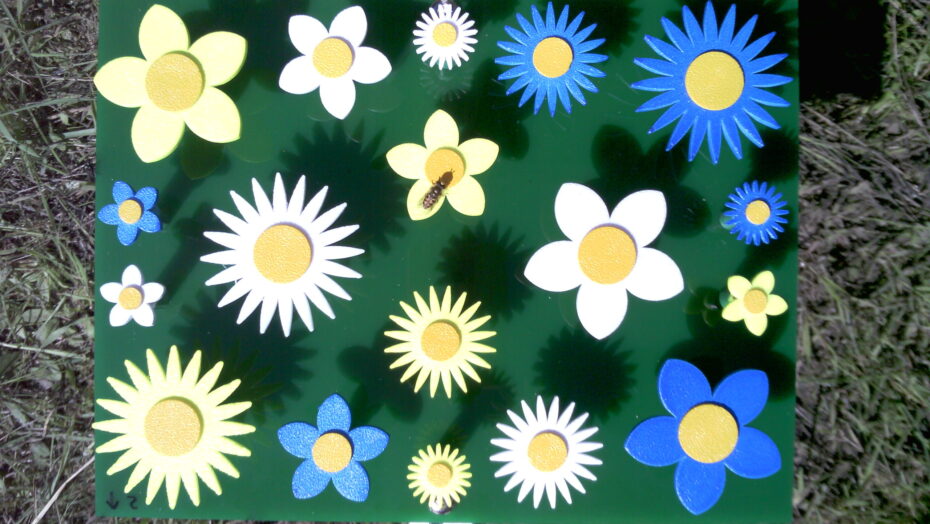
Large-scale international project to collect data on threatened insect populations
The ANTENNA project, with the participation of Danish, Spanish, Greek, Irish, Dutch and German partners, will come to the rescue of endangered populations of pollinating insects.

Digital twins will make the cities of the future greener and more democratic
A collaborative project called CITWIN with Danish, Belgian, Swedish and Austrian partners will utilize digital twins in the urban planning of the future.
Water experts join forces to find solutions to the looming shortage of drinking water
En række af Danmarks førende vandeksperter skal nu skabe et overblik over fordelingen og behovet for drikkevand på Sjælland.
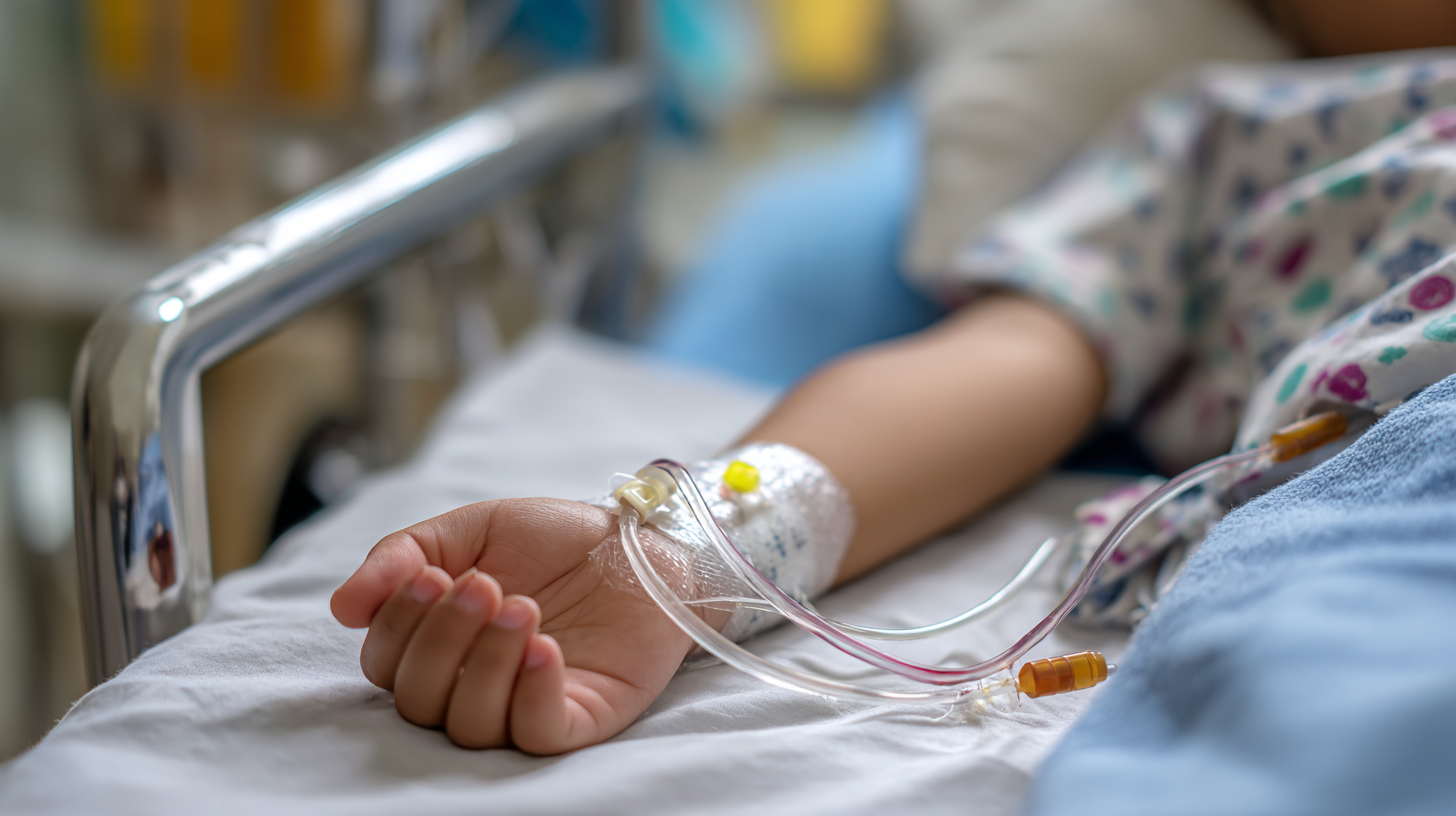
From hospital bed to the safety of home: Child@Home improves treatment for children with infections
How can we ensure the best possible treatment for children with serious infections without unnecessary hospital admissions and without contributing to antibiotic resistance? That question has been at the heart of the groundbreaking research project Child@Home